


Looking for batteries? You probably think of Duracell or Energizer right away.
Shopping for a toothbrush? Oral-B and Colgate are usually the first names to pop up.
Craving coffee? Starbucks and Nespresso seem to dominate your options.
Need a water bottle? It’s tough to scroll past Hydro Flask or Stanley in the results.
Let’s face it, whenever you’re about to make a purchase on Amazon, a specific brand often comes to mind. Whether it’s toothpaste, wireless earbuds, or supplements, there’s usually a go-to brand you already know and trust. In just about every category, except maybe a few ultra-niche ones, certain names consistently rule the search pages.
These major brands have the advantage of bigger advertising budgets, allowing them to secure top spots in sponsored listings through PPC ads. On top of that, they’ve racked up massive numbers of reviews, giving them a strong edge in organic rankings as well.
It’s not exactly a fair fight, but that doesn’t mean small sellers can’t break through. In fact, independent sellers—mostly small to mid-sized businesses—make up over 60% of total sales on Amazon’s marketplace.
This article will explore smart, practical tactics that smaller brands can use to gain visibility, stand out in crowded categories, and drive real growth. If you’re ready to challenge the big players and grow your presence, read on!
When faced with fierce competition, it’s tempting to assume that Amazon only works for major brands with massive marketing budgets. But that’s far from the full picture. Plenty of smaller brands have not only found success on the platform, but they’ve thrived.
Look at Anker, for example. Once a modest electronics startup, it now surpasses tech giants like Apple and Samsung in sales for products like charging cables and portable batteries. Or consider Drunk Elephant, a skincare brand that carved out a loyal following and now stands shoulder to shoulder with industry titans like Neutrogena and Clinique.
Even in more established markets, smaller players are making big moves. Yeti, best known for its rugged coolers, began as a lesser-known name and eventually rose to challenge legacy brands like Coleman.
These businesses didn’t just get lucky—they made smart use of Amazon’s platform, built loyal customer bases, and positioned themselves as must-have brands in their categories.
Yes, Amazon is competitive and fast-paced. But if these smaller brands can break through and rise to the top, there’s no reason you can’t do the same.
There’s no substitute for top-notch quality. If major brands are leading the pack, it’s often because their products genuinely deliver. Poor-quality items don’t last long on Amazon; they quickly get buried under negative feedback and poor ratings.
Let’s be real—customers are much quicker to leave a review when something goes wrong than when everything works as expected. If a product performs well, most buyers say nothing. But if it fails to meet expectations? They won’t hesitate to leave a detailed complaint.
That’s why your product needs to be so good that it practically markets itself. Avoid the temptation to sell cheap, low-quality goods just to get started. Products with subpar quality might generate some short-term sales, but they won’t build long-term success.
While average products can still bring in a few sales and reviews, that’s not enough if your goal is to be a leader in your category. To truly succeed, you need to offer something excellent—something you’re genuinely proud to stand behind.
One of the smartest ways to evaluate a competitor’s performance is by digging into their product reviews, especially the negative ones. These comments offer raw, unfiltered insights into real customer experiences.
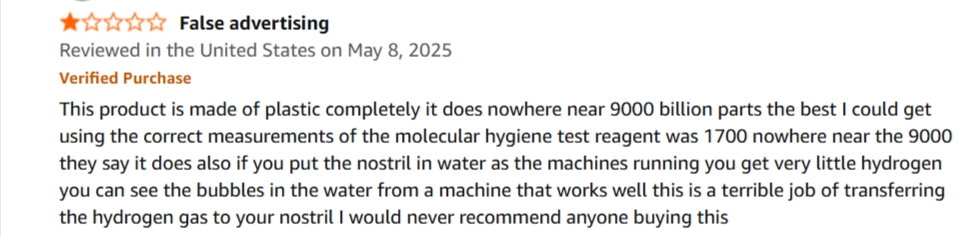
Don’t just skim through the bad reviews and feel smug. Take the time to identify patterns in complaints or recurring issues. These are golden opportunities to understand what customers want and what they’re not getting. To make this easier, you can even use a tool like ChatGPT with a prompt such as:
“Here’s a batch of negative reviews for a product. Please help me identify common issues, patterns, and potential areas for improvement.”
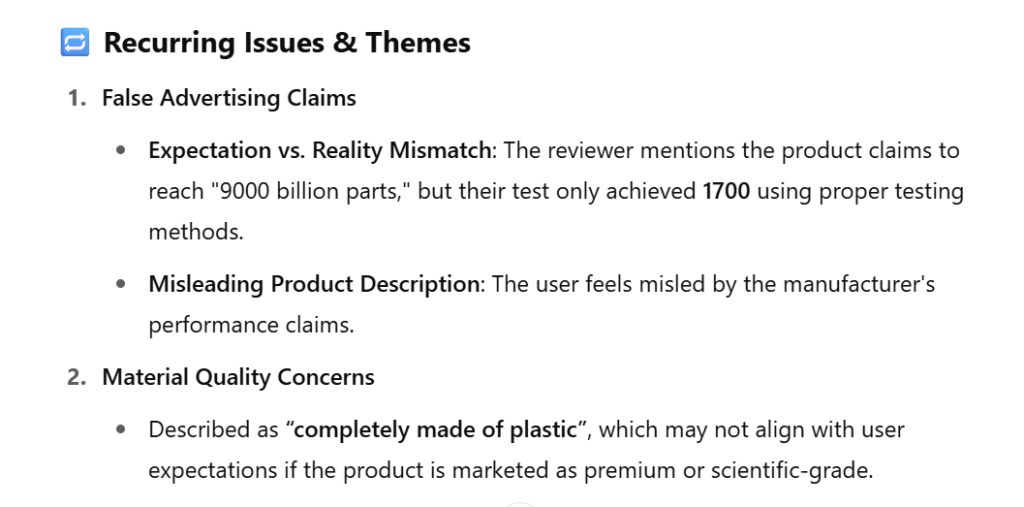
This strategy also works with positive reviews. Look for features and benefits that customers consistently praise. These highlights can give you clues about what to emphasize in your own product and marketing.
But don’t stop there. Take what you learn and apply it to your product listing—use those pain points and selling points in your bullet points, product description, and infographics. If buyers love a certain function on a competitor’s item, be sure your product includes it (or improves on it), and make that clear in your visuals. If a flaw keeps coming up in negative reviews, showcase how your product avoids that issue.
You can also build a visual comparison chart for your product, placing it alongside generic “Brand A” or “Brand B” options. This lets you highlight your strengths while staying compliant with Amazon’s guidelines.
Take a look at the sample layout below for ideas on how to showcase your competitive edge.
Add image 3 here
Every element your customer interacts with—from your listing to your packaging—should reflect professionalism and credibility.
Start by mapping out all the touchpoints: your main product image, Amazon product infographic images, product title, bullet points, description, A+ Content, Brand Story section, and storefront. Then, work through each one to ensure they’re polished and cohesive.
Here’s how to elevate each component:
The better your listing looks, the more credible you’ll appear to customers. If you’re unsure where to start or want to take your listing to the next level, partnering with an Amazon listing expert can help bring everything together seamlessly.
Big-name brands love to flaunt their massive review counts, high ratings, and longstanding reputations. But what they often lack is the genuine human connection that small sellers can deliver effortlessly.
As a smaller brand, you have a unique advantage—your ability to engage with customers on a personal level. You’re more agile when it comes to listening, responding to feedback, and building meaningful relationships. That kind of attentiveness and care is hard for large corporations to match.
So why should customers funnel more money into big corporations when they can support a growing business like yours? With you, they get an equally high-quality product, superior customer service, and the added bonus of knowing their purchase supports an independent or local business.
Make sure to showcase your identity as a small business throughout your entire Amazon presence. Highlight it in your product descriptions, listing images, A+ Content, Brand Story, and storefront. Let your audience know that buying from you means more than just checking out with a cart full of items—it means supporting real people who care deeply about what they do.
Be confident in your size. It’s not a weakness—it’s a superpower.
There’s no need to figure it all out on your own—especially when there are experts who’ve already helped countless sellers succeed on Amazon.
If your product is high-quality but struggling to gain visibility, it might be time to collaborate with professionals who specialize in elevating Amazon listings.
At Sipransh Ecommgrowth, we’ve been helping sellers solve visibility challenges and drive conversions for years. Our Amazon Expert team understands the ins and outs of Amazon’s algorithm, Amazon SEO, and listing optimization. We focus on showcasing your product in the best possible light because we believe top-tier products shouldn’t stay hidden.
Let us help you get noticed. With the right support, your product can achieve the attention and the sales it truly deserves.