



Thinking about launching your Amazon business but not keen on managing inventory, packing orders, or dealing with storage? Great news—you can skip all that! Nowadays, selling on Amazon without holding any stock is more accessible than ever, thanks to flexible business models like dropshipping, print-on-demand, and Amazon’s own fulfillment options.
Whether you’re just starting out or you’re a seasoned business owner searching for a more hands-off approach, this guide will show you the top methods to sell on Amazon without handling physical products. Curious how it works? Let’s get started!
Dropshipping is a popular and low-risk way to sell on Amazon without managing physical inventory. In this model, you list items on Amazon but only purchase them from a third-party supplier after a customer places an order. The supplier handles packaging and shipping directly to the customer, removing the need for storage or shipping tasks on your part.
To make dropshipping work successfully on Amazon, follow these essential practices:
Dropshipping enables you to sell a broad range of products with limited upfront cost, but success depends on choosing the right suppliers and consistently managing operations to meet Amazon’s standards.
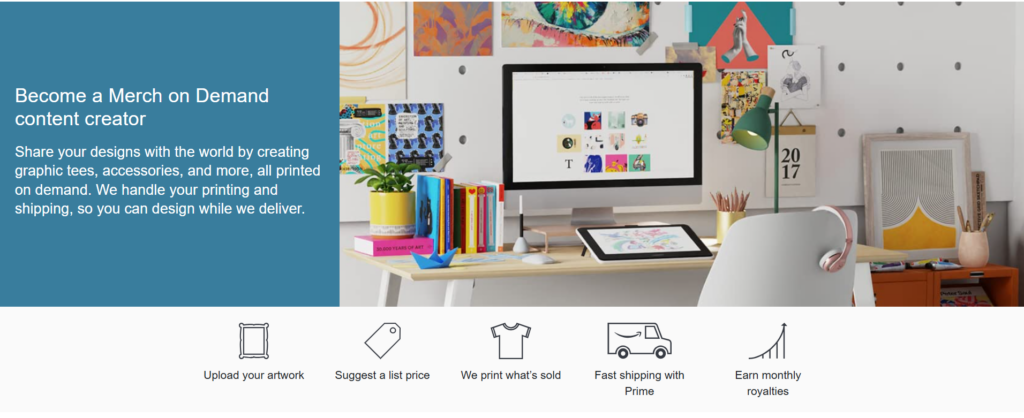
Amazon’s Merch on Demand platform offers an excellent opportunity to sell custom-designed products without stocking inventory. With this approach, you upload your design, set your price, and Amazon takes care of printing, shipping, and customer support. It’s an ideal model for artists, graphic designers, and entrepreneurs looking to earn passive income.
To improve your chances of success, consider these steps:
Print-on-demand removes the hassle of managing stock and fulfillment, giving you more time to focus on creativity and promotion. With the help of experienced Amazon consultants, you can fine-tune your strategy, boost performance, and thrive in a competitive market.
Amazon’s Kindle Direct Publishing (KDP) is a powerful platform for selling digital products such as eBooks and low-content books, without needing to hold any inventory. It’s an attractive option for authors, creatives, and entrepreneurs aiming to earn passive income from digital content. Once your book is uploaded, Amazon manages sales, distribution, and royalty payments.

Here’s how to make the most of KDP:
Publishing digital content on KDP requires little to no upfront cost, making it a smart, low-risk way to build a revenue stream. With the right planning and Amazon ranking optimization, your book can stand out and generate consistent, long-term income.
Retail and online arbitrage involve purchasing discounted products from physical stores or online sites and reselling them on Amazon at a higher price. With Amazon FBA (Fulfillment by Amazon), your inventory is stored in Amazon’s warehouses, and they take care of packing, shipping, and customer support.
Here’s how to succeed with this model:
This approach requires ongoing effort in sourcing and pricing, but allows you to begin with a relatively small investment. By leveraging Amazon’s FBA services, you can grow your business without dealing with logistics or warehousing.
Wholesale selling on Amazon involves purchasing products in large quantities from authorized suppliers or manufacturers and reselling them for a profit. Compared to dropshipping or arbitrage, this method offers more consistency and control. By utilizing Amazon FBA (Fulfillment by Amazon), your inventory is stored in Amazon’s facilities, where Amazon handles packing, delivery, and customer support.

To succeed in wholesale on Amazon, follow these important steps:
While wholesale requires a higher upfront investment, it offers greater potential for growth and stable returns. Routine account audits can help you maintain seller performance, avoid suspensions, and ensure your business stays on track.
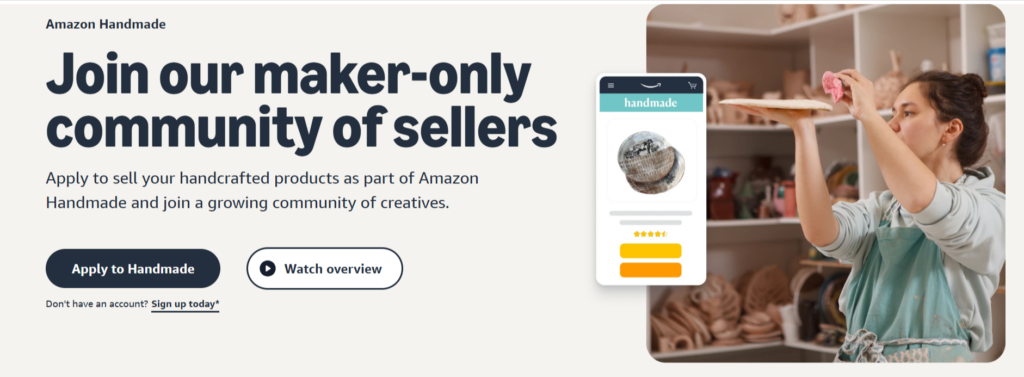
Amazon Handmade is designed specifically for artisans and makers who want to offer handcrafted, unique items without needing to keep large amounts of stock. This platform supports made-to-order and personalized products, allowing creators more flexibility over pricing and production schedules.
To thrive on Amazon Handmade, follow these essential steps:
Amazon Handmade allows you to share your creations with a wide audience while keeping artistic control. By fine-tuning your listings and maintaining efficient production, you can build a sustainable and rewarding craft business.
The Amazon Associates program offers a straightforward way to generate income without holding or managing inventory. As an affiliate, you earn a commission by promoting Amazon products through platforms like blogs, websites, YouTube, or social media. When someone clicks your custom affiliate link and completes a purchase, you receive a percentage of the sale.

To build a successful affiliate marketing strategy with Amazon Associates, follow these steps:
Affiliate marketing through Amazon is a low-risk way to earn passive income. With consistent content creation and audience growth, you can build a long-term, reliable revenue stream.
Launching a profitable Amazon business without dealing with physical inventory is entirely achievable with the right business model. From dropshipping and print-on-demand to digital publishing, arbitrage, wholesaling, handmade goods, and affiliate marketing, each strategy brings its own benefits and flexibility. Your success relies heavily on proper market research, listing optimization, and staying aligned with Amazon’s evolving policies.
If you’re aiming to grow your business more efficiently, working with experienced Amazon consultants can be a game-changer. These experts offer valuable support in areas like product research, SEO, and account health, helping you avoid mistakes and increase profitability. With the right game plan and expert advice, you can thrive on Amazon—no inventory required.