




Selling on Amazon often seems like a dream come true. Just list your product, sit back, and watch the profits roll in—at least, that’s the common perception. But let’s set the record straight: Amazon isn’t some effortless money-making machine. While it’s a powerful e-commerce platform, it also brings a unique set of challenges, especially when sellers fall victim to misleading information and unrealistic expectations.
You’ve likely come across claims like, “One product is all it takes to become a millionaire,” or “Amazon handles everything for you.” Sounds a little too perfect, doesn’t it? That’s because these ideas are more fiction than fact. Believing these myths can cost sellers valuable time and even harm their businesses.
In this post, we’re breaking down the most widespread myths about selling on Amazon—and revealing the truth behind the hype.
At first glance, Fulfillment by Amazon (FBA) seems like the perfect solution. Amazon takes care of storage, packing, shipping, and even customer returns. Sounds like the end of all your logistics worries, right?
Not quite.

While FBA does ease many operational burdens, it doesn’t completely erase them. In fact, it introduces a new set of challenges. Think about costly storage fees that spike during peak seasons, inventory restrictions that limit how much you can send in, and the potential for your items to be lost or damaged in Amazon’s fulfillment centers. And those return and long-term storage fees? They can eat into your profits if you’re not careful.
Managing your inventory also remains your responsibility. Overstocking leads to high storage costs, while understocking can result in lost sales and reduced visibility on Amazon. Plus, Amazon’s systems aren’t foolproof—you’ll need to review reports often to identify lost or mishandled items and submit reimbursement claims when necessary.
Here’s how to make the most of FBA:
FBA is a powerful tool for simplifying logistics, but it’s not a set-it-and-forget-it system. Active management and strategic decisions are key to making it work for your Amazon business.
Many sellers believe that having the lowest price guarantees winning the Buy Box on Amazon, but that’s not the full picture. Although price is important, Amazon also considers several other factors when awarding the Buy Box, including seller account health, delivery speed, customer feedback, and overall performance.
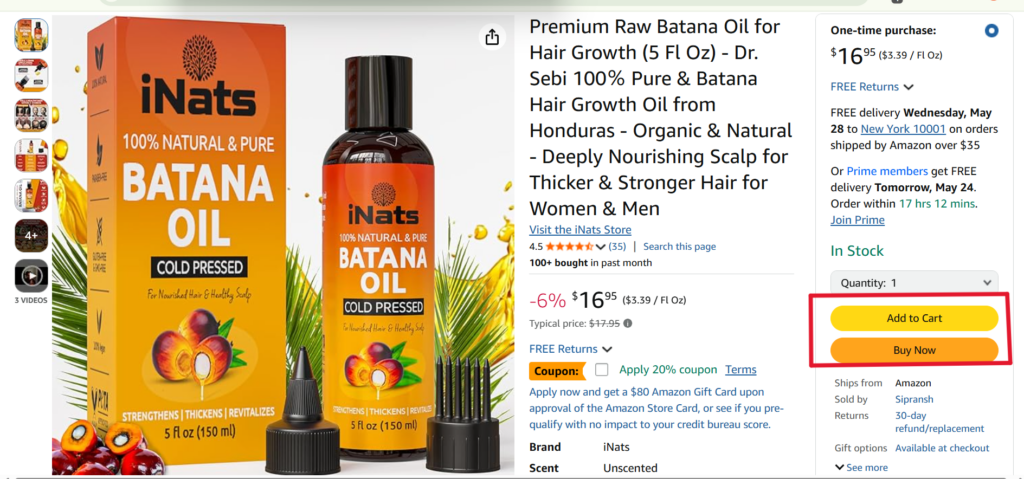
A seller with a slightly higher price but fast shipping, excellent customer service, and strong reviews can often outperform a competitor offering a cheaper price but weaker metrics. Amazon’s priority is delivering a great customer experience, so being the cheapest seller doesn’t always secure the Buy Box.
To boost your chances, focus on maintaining solid performance: keep your account in good standing by quickly addressing customer questions and minimizing order defects. Provide competitive shipping options like fast or free delivery and ensure your inventory is consistently available. While pricing remains important, avoid cutting your prices so much that it erodes your profit margin.
Ultimately, winning the Buy Box is about offering the best overall value to buyers. By balancing competitive prices with reliable performance and service, you improve your likelihood of earning that crucial spot.
There’s a common belief that every seller should jump into heavy discounting during major events like Prime Day, Black Friday, or the holiday rush. While these occasions do bring a surge in traffic, cutting prices across the board isn’t always the best strategy. If your profit margins are slim, aggressive discounts can leave you in the red instead of boosting your bottom line. Plus, some products—especially niche or evergreen items—don’t see much of a spike in demand during these seasonal events.
For many sellers, sticking to their regular pricing or using alternative promotional tactics can be more effective. Rather than slashing prices, consider creating product bundles, offering free shipping, or adding extra value to encourage purchases without reducing profit margins.
Before jumping into holiday markdowns, evaluate your product’s sales trends, profit margins, and competitive landscape. Tools like Amazon’s business reports can help you assess past performance during similar sales periods. Try limited-time offers or targeted deals to test the waters instead of discounting everything. And if deep discounts don’t suit your product strategy, focus on stock management and getting ready for the post-holiday sales period, which can bring more consistent results.
Ultimately, not every product or seller benefits from price wars—strategic planning can yield better long-term results.
A common misconception among new Amazon sellers is that they must source their products from Alibaba. While Alibaba is well-known for offering bulk goods at competitive prices, it’s far from the only route available. The truth is, your sourcing strategy should be based on your specific business goals, not just what’s popular.
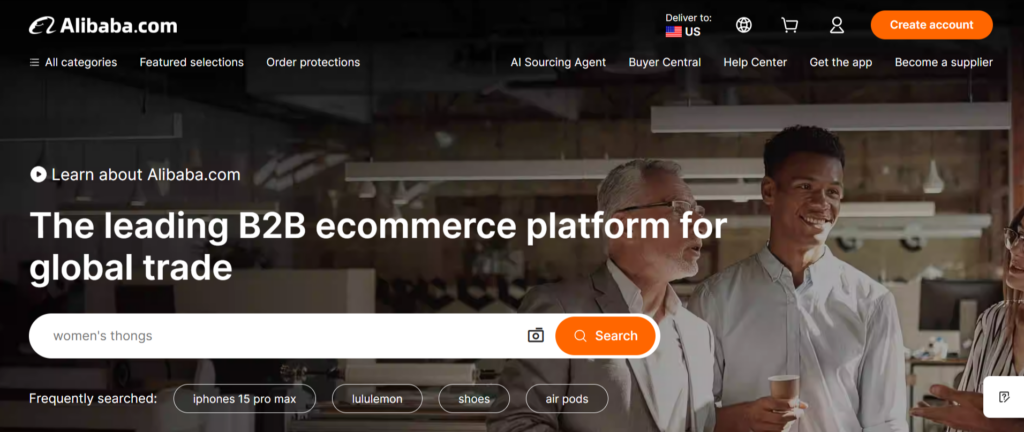
There are many other ways to find quality products. You can partner with local manufacturers, wholesalers, or even independent artisans to create unique offerings. If you’re interested in launching a private label brand, platforms like Global Sources, IndiaMart, and ThomasNet can also connect you with reputable international suppliers beyond Alibaba.
Not interested in managing inventory? Consider business models like dropshipping or print-on-demand, where the supplier handles production and shipping directly. These models can reduce upfront costs and logistical complexity.
Sourcing products locally can be especially beneficial for those wanting to minimize shipping times and import hassles. Many sellers have success working with small businesses or discovering one-of-a-kind products at trade shows and local markets.
The key is to find a sourcing method that supports your business objectives. Whether that means importing from a global platform, collaborating with local creators, or using on-demand services, focus on quality, supplier reliability, and maintaining healthy profit margins. Always research thoroughly, test samples, and make sure your supplier can keep up with demand.
If you think navigating Amazon’s rules is easy, think again. The platform’s policies are often complex, constantly evolving, and packed with fine print. From product listing standards and restricted items to performance metrics and reimbursement rules, there’s a lot to absorb—and even more to stay updated on.
What makes it tricky is the lack of clarity. Sometimes, guidelines can be vague or feel contradictory. You might believe your listing images check all the boxes, only to receive a warning for missing an obscure requirement. Or you could be hit with a policy violation that’s poorly explained and tough to resolve without digging deep.
To stay ahead, being proactive is crucial. Make a habit of reviewing Seller Central updates, especially those related to your specific product category. Don’t skip over the fine details in Amazon’s policy documents—they often contain the key to avoiding future issues. And when something’s unclear, turn to helpful resources like seller communities, official webinars, or trusted third-party blogs that translate Amazon’s legal-speak into plain English.
Mistakes are practically a rite of passage for sellers. The important thing is how you handle them: fix the problem, learn from it, and move forward. And if the rules start feeling too overwhelming, you can always bring in expert help, like an Amazon consultancy, to handle the tough stuff for you.
Funny thought, isn’t it? If you’ve ever had to contact Amazon Seller Support, you probably know how challenging it can be. While it’s meant to help sellers resolve issues, the experience can often feel more frustrating than helpful. Many sellers report receiving vague, slow, or even off-topic responses after spending hours carefully explaining their issue.

Let’s be real: Seller Support isn’t entirely useless, but it’s rarely quick or seamless. The key is learning how to communicate with them effectively. When you open a case, keep your message brief but detailed. Provide all necessary information upfront—like screenshots, order IDs, or policy references—to help support reps understand the situation clearly. A polite but consistent follow-up approach can also make a difference in getting results.
For complicated or urgent matters, Amazon’s Seller Forums and third-party communities can be surprisingly helpful. These spaces are filled with experienced sellers who’ve likely faced the same challenges and can offer practical advice or proven workarounds.
While you shouldn’t rely solely on Seller Support for critical issues, it’s still a piece of the puzzle. Approach it with patience, use clear communication, and don’t hesitate to seek outside support when needed. Every now and then, you might get a rep who genuinely helps, but most of the time, persistence is your best friend.
Cutting your prices might feel like the quickest route to winning over customers, but it’s rarely the smartest move—and definitely not the only one. Relying on constant discounts can trigger a damaging price war that chips away at your profit margins and diminishes your product’s perceived value.
Competing on Amazon isn’t just about being the cheapest. Shoppers often prioritize trust, product quality, and convenience. You can stand out with a polished listing that includes high-quality images, clear and compelling product descriptions, and strong customer reviews. Offering extras like fast shipping, superior packaging, product bundles, or warranties can also justify a higher price and set your listing apart.
Amazon advertising is another powerful tool to get ahead. Running targeted PPC campaigns can help boost your visibility and reach the right customers, even if you’re not the lowest-priced seller. Additionally, a high seller rating and responsive customer service can build credibility, encouraging buyers to choose your product over cheaper alternatives.
Price cuts should be strategic, not reactionary. Instead of racing to the bottom, focus on enhancing your product’s value proposition. When you offer more than just a low price, you create long-term opportunities for growth and customer loyalty.
At first glance, it might seem like the more items you list on Amazon, the more money you’ll make. But that assumption often leads sellers down the wrong path. Flooding your storefront with products doesn’t automatically result in increased sales. What really drives revenue is offering high-quality items that are in demand—and presenting them well.
Without proper research, adding too many products can cause more harm than good. You may find yourself stuck with inventory that doesn’t sell, racking up storage costs, and wasting money on ineffective ads. Managing a large catalog also takes extra effort: keeping listings accurate, tracking inventory, handling returns, and providing solid customer service.
A smarter approach is to focus on carefully selected products that align with your market research and show real sales potential. Once you’ve chosen an item, make sure your listing is fully optimized—use professional images, persuasive descriptions, and strong keywords to boost visibility and conversion.
Success on Amazon doesn’t come from quantity alone. It’s far more effective to run a streamlined catalog filled with well-researched, well-presented products than to overwhelm your store with listings that don’t perform. Prioritize quality, and sustainable profits will follow.
Some sellers assume that branding isn’t important on Amazon because shoppers care more about price and reviews. However, this mindset can hold your business back. In reality, branding plays a crucial role in making your product stand out and building long-term customer trust.
Without a solid brand identity, your listing might blend in with countless others offering similar products. A strong brand, reflected in your logo, packaging, listing visuals, and messaging, helps establish credibility and makes your product feel more trustworthy and professional. This is especially important in a saturated market where shoppers are overwhelmed with choices.
Good branding also encourages customer loyalty. When buyers have a positive experience with a branded product, they’re more likely to remember your name and return for future purchases. Amazon features like Amazon A+ Content and Brand Storefronts give you space to tell your story, highlight product benefits, and differentiate from competitors.
You don’t need to be a big brand to make an impact. Smaller sellers can still develop a recognizable, consistent brand that connects with customers. On Amazon, a memorable brand can be the difference between a one-time sale and a loyal customer base.
It’s easy to think that increased sales automatically lead to bigger profits, but that’s not always the case. Just because you’re moving more units doesn’t mean your bottom line is growing. Selling on Amazon involves a range of costs, such as referral fees, fulfillment charges, advertising spend, shipping, and sourcing expenses, that can significantly cut into your earnings.
If your profit margins are tight, even a large volume of sales might not bring in much actual profit. For instance, running big discounts to attract buyers or spending heavily on ads can quickly reduce your returns. You might see impressive sales figures, but if the costs outweigh the gains, you could end up barely breaking even or even operating at a loss.
To ensure your sales translate into meaningful profit, focus on maintaining healthy margins. Start by calculating all associated costs for each product to identify your true breakeven point. Tools like Amazon’s FBA Revenue Calculator can help you gauge your profitability. From there, find opportunities to cut costs, such as negotiating better rates with suppliers, improving ad efficiency, or increasing your average order value with bundles or upsells.
While strong sales are encouraging, profitability is the real measure of success. By keeping expenses in check and focusing on margins, you’ll be better positioned for long-term growth.
While it may seem easy to rely completely on Amazon’s massive customer base for traffic and conversions, doing so can be risky for your business in the long run. Although Amazon brings millions of potential buyers to the platform, it also brings stiff competition. If your product doesn’t appear on the first page of search results, it’s unlikely to get noticed—let alone purchased.
Another concern is how heavily your business depends on Amazon’s rules and systems. A change in the algorithm, a listing suppression, or an account suspension can disrupt your revenue stream overnight. When Amazon controls your entire sales funnel, you’re left with little control over your business stability.
That’s why it’s smart to create additional channels for traffic and awareness. Leverage social media ads on platforms like Instagram and Facebook, work with content creators or influencers, and consider building your own eCommerce site. These strategies help you drive outside traffic to your Amazon listings, reducing your dependence on one platform.
Amazon is a powerful sales engine, but it shouldn’t be your only one. By diversifying how you attract customers, you’ll build a more resilient brand and keep your business growing—even if Amazon changes the rules.
Many new sellers assume that jumping into top-selling product categories is the smartest way to start on Amazon. It seems logical—if a product is already selling well, why not tap into that demand? But in reality, best-selling products usually come with intense competition. You’ll likely find yourself going up against veteran sellers with thousands of reviews, fine-tuned listings, and deep pockets for ads. For a newcomer, it’s a tough space to break into.
There’s also the problem of overcrowding. By the time you get your product sourced and listed, the market may already be saturated with similar offerings. Instead of enjoying easy wins, you might find yourself in a pricing war or struggling to gain visibility.
A better approach is to target niche markets that show consistent demand but have fewer sellers. These products might not be flashy best-sellers, but they offer more room to grow without getting buried by competition. Tools like Helium 10 and Jungle Scout can help uncover these hidden gems by evaluating search traffic, sales trends, and competitive intensity.
While best-sellers may seem like the safe route, starting with lower-competition products gives you a more realistic and manageable path to building a profitable Amazon business.
There’s a common misconception that only sellers with large financial resources can thrive on Amazon. While having more capital can certainly accelerate growth, it’s not a necessity for getting started. Many successful sellers launch with modest funds and gradually expand by making smart, strategic choices.
Starting with a smaller budget means being selective. You can opt for inexpensive, low-risk products and purchase inventory in smaller batches. Instead of spending heavily upfront, reinvest your profits to grow sustainably. Even advertising tools like Amazon PPC can be effective on a small scale, allowing you to run campaigns with limited daily spending while gathering valuable data.

What really matters is how you use your budget. Focus on essentials like sourcing a reliable product, crafting a compelling and keyword-optimized listing, and testing marketing tactics to see what yields the best results. As your revenue increases, you’ll have more to reinvest and scale your operations wisely.
Success on Amazon doesn’t require deep pockets—it requires a thoughtful approach, adaptability, and patience. Many sellers have built strong, profitable businesses by starting small and scaling step by step.
Amazon regularly introduces new tools and services—from advanced advertising formats to specialized seller programs—that promise to enhance performance. While these innovations can offer real benefits, they’re not all suitable for every seller. Jumping into each new option without careful consideration can result in wasted resources and unnecessary complications.
Programs like Amazon Transparency or the Climate Pledge Friendly badge might be highly beneficial for certain businesses but may not align with your current offerings or long-term strategy. Likewise, features such as Sponsored Display ads can be effective, but they demand a clear marketing plan and budget to be worthwhile.
Before enrolling in any new initiative, evaluate how it fits your business model and goals. Consider whether it will meaningfully contribute to your growth or streamline operations. Look into how other sellers in your niche are using the program, read feedback, and, if possible, experiment on a small scale to assess its potential.
While Amazon’s ever-evolving features are designed to support sellers, not every one of them is necessary or advantageous for your store. Focus on the programs that align with your specific needs and skip the ones that offer little return.
It’s true that Amazon is a highly competitive marketplace, with millions of sellers offering a wide range of products. However, that doesn’t mean success is out of reach. What separates successful sellers from the rest is a strategic approach. Many sellers struggle because they skip vital steps like market research, listing optimization, and effective advertising. With the right foundation, you can still establish a strong presence—even in competitive niches.
Rather than being discouraged by the crowded space, focus on differentiation. Identify gaps in the market, craft compelling listings, and leverage tools like Amazon PPC to attract the right audience. Study your competition closely and look for ways to improve—whether that’s through unique branding, better product quality, or superior customer experience.
Amazon may be crowded, but it’s also filled with opportunity, thanks to its enormous customer base and global reach. Sellers who take a thoughtful, proactive approach can absolutely thrive. Being in a competitive environment isn’t a roadblock—it’s a sign that there’s demand. What matters is how you position yourself to meet it.
It’s easy to believe you can manage everything yourself when selling on Amazon, especially with the abundance of tools and guides available online. While many sellers begin by doing it all alone, handling every part of the business—from sourcing products and creating listings to running ads and managing inventory—can quickly become overwhelming.
Amazon’s ecosystem involves many details, and even minor mistakes can result in lost sales or account issues. For example, listings that aren’t properly optimized might struggle to get noticed, and poorly managed ad campaigns can drain your budget without delivering results. As your business expands, these tasks grow more complicated and time-consuming, leaving you less time to focus on strategy and growth.
This doesn’t mean solo success isn’t possible—it just means that as your business grows, having the right support can be crucial. Running your Amazon store alone is achievable, but knowing when to get help from experts or utilize additional resources can reduce stress and help your business thrive.
Effective January 26, 2026, the Fulfilled by Merchant (FBM) refund process will be updated to improve your return management experience and give you more time to assess returns.
The processing window for refunds will extend from two business days to four calendar days before Automated Refund triggers. For most return delivery days, you’ll gain additional processing time under this change.
If you don’t process a refund within four calendar days of receiving a returned item, we may issue an automatic refund. In these cases, you won’t be eligible for Seller Assurance for e-Commerce Transactions (SAFE-T) claim reimbursement except for specific situations such as when returned items are lost in transit or delivery confirmation was incorrect through no fault of your own. In these cases, since you did not receive the item for assessment, you can still file a SAFE-T claim for reimbursement.
We recommend that you use the Guided Refund workflow (GRW), which allows you to grade returned items, apply appropriate restocking fees, and upload evidence when items are returned in a different condition than shipped.
To learn how to use the Guided Refund workflow, go to Issue a partial refund.
For more information about SAFE-T claims, go to Reimbursement for seller-fulfilled orders.
The seller-fulfilled refund process update, effective January 26, 2026, will shape Seller Central Services, Account Management, and refund handling.
We’re always working on new ways to help Delivery Service Partner, Delivery Associates, and Amazon Flex Delivery Partners deliver packages quickly, efficiently, and safely. Learn about some of the new technologies and features that we’re piloting to improve the delivery experience:
For more information on how we’re innovating for delivery drivers, go to About Amazon.
Explore our innovations for delivery drivers designed to support Amazon Account Management, Seller Central Services, and improved customer experience.