



Over 60% of new Amazon sellers worry about the high costs of storing and managing inventory. And understandably so—expenses such as warehousing, returns, and stock tracking can add up fast. However, there’s good news: you can sell on Amazon without ever stocking products yourself.
As a result, there’s no need to pay for storage space, handle packing materials, or invest a large amount upfront. Instead, Amazon offers several smart, low‑risk ways to earn money without managing inventory. For example, options like dropshipping, selling digital products, Merch on Demand, and Kindle Direct Publishing make it easier for beginners to get started.
In this blog, we’ll break down the top ways to sell on Amazon without keeping inventory, explain why it’s a smart approach, and show you how to begin. Whether you’re building a side income or launching a budget‑friendly business, this guide will help you start with confidence.
Absolutely! Many sellers successfully run Amazon businesses without handling physical products. Thanks to Amazon’s built‑in tools and partner programs, you can sell everything from custom designs to digital content without storing a single item. Therefore, inventory‑free selling works especially well if you’re on a tight budget, short on space, or looking for a simpler setup.
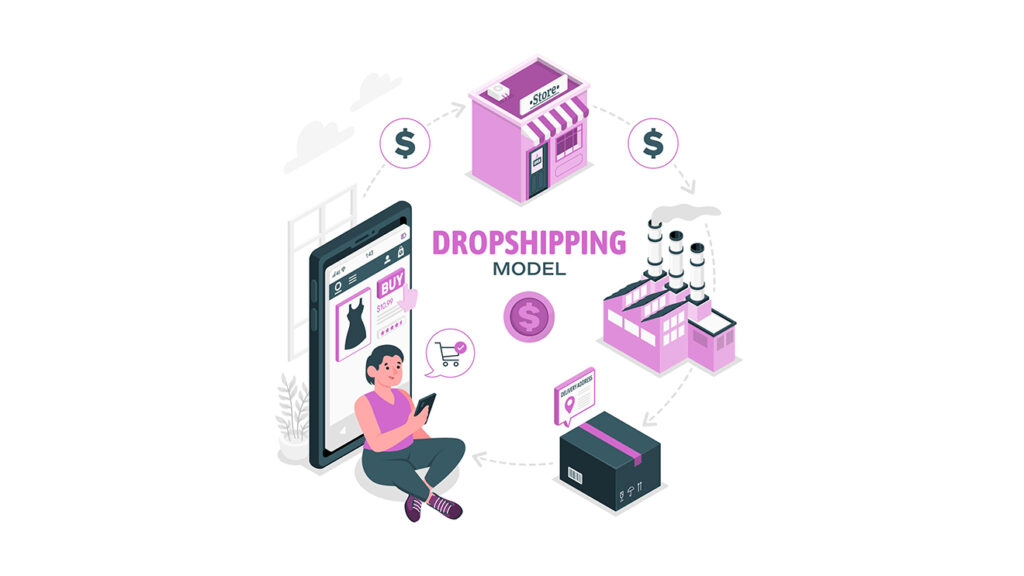
Dropshipping is an eCommerce model where you sell products without keeping inventory. When a customer places an order, you forward it to a third‑party supplier, who then ships the product directly to the buyer.
Because of this setup, you eliminate the need to pre‑purchase stock, rent warehouse space, or handle packaging. Instead, your focus stays on managing listings, marketing products, and supporting customers, while the supplier handles fulfillment.
First, register for an Amazon Seller account. This account gives you access to tools that help you manage listings, track sales, and monitor performance.
Next, select a reliable supplier. Look for partners with experience supporting Amazon sellers. Before committing, ask important questions, such as:
After choosing a supplier, upload their products to your Amazon store. You can create new listings or match existing ones. Most importantly, optimize titles, descriptions, and keywords to improve search visibility.
For creatives like designers and artists, Amazon Merch on Demand offers a simple way to monetize artwork. You can sell designs on t‑shirts, hoodies, mugs, totes, and more—without managing inventory. Once you upload a design and set a price, Amazon handles printing, shipping, and customer service. As a result, you earn royalties on every sale.
How it works:
Amazon Kindle Direct Publishing (KDP) offers a straightforward and cost-free way to publish your own books on Amazon. Whether you’re releasing an eBook, paperback, or hardcover, KDP makes it possible to reach a global audience without going through a traditional publisher. Just upload your manuscript, design a cover, choose your pricing, and publish.
Your book will be listed on Amazon’s store, accessible to millions of readers worldwide. You maintain full rights and control, can earn up to 70% in royalties, and have the flexibility to update your book at any time. KDP is an accessible route for anyone looking to become a published author.
How does it work?
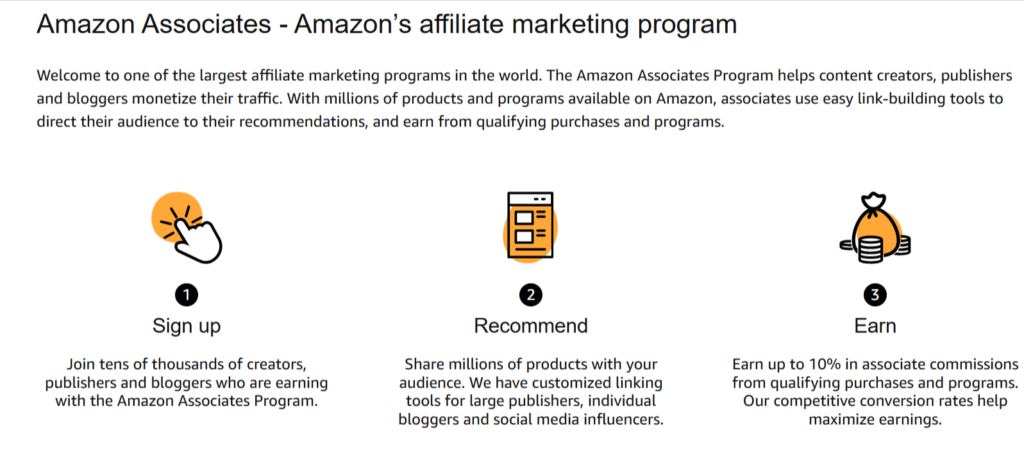
The Amazon Associates Program is Amazon’s own affiliate marketing network. It allows bloggers, influencers, and online content creators to earn money by promoting Amazon products. Once accepted into the program, you can generate unique affiliate links for any item sold on Amazon.
Every time someone clicks your link and completes a purchase, you receive a commission from that sale. You don’t need to manage inventory or handle transactions. Simply share links through blog posts, YouTube videos, or social media. It’s a great way to build passive income by recommending products you genuinely like.
How does it work?
Offering digital products on Amazon is a convenient way to generate income and expand your reach. You can publish eBooks via Kindle Direct Publishing (KDP), distribute music through Amazon Music, or list apps and games in the Amazon Appstore.
After uploading your content, Amazon manages the delivery process, making it available for instant download. You earn money whenever someone purchases your product. There’s no need for physical shipping, and your digital content remains accessible to customers around the clock. Just ensure your files meet Amazon’s quality standards and content policies. It’s a low-maintenance method to start earning online.
How does it work?
If you want to sell on Amazon without storing or managing products yourself, such as through dropshipping, here are some helpful tips to get started:
You don’t need a warehouse or physical stock to launch a business on Amazon. With options like dropshipping, Merch on Demand, Kindle Direct Publishing, and the Amazon Associates Program, you can begin earning with low risk. These inventory-free methods reduce upfront expenses and offer a flexible way to test different products and scale your brand.
However, success still depends on smart planning and proper execution. That’s where our expert Amazon consultants come in. From selecting the best-selling approach to setting up your account and optimizing product listings, we’re here to help you every step of the way. Whether you’re new to Amazon or ready to expand, we’ll support your growth journey.
You can now use QuickBooks Online directly in Seller Central to bring your financial data into one place, helping you track your Amazon business performance alongside your other sales channels.
You can use this embedded app to view profit andlosstrends, track performance changes across sales, fees, and expenses, and see your payout details with transaction breakdowns for all of your sales channels. You can also monitor your inventory levels to make sure your products stay stocked.
If you’re a first time QuickBooks user, you’re eligible for afreethree-month trial. To connect QuickBooks Online to your Seller Central account, go toQuickBooks | Business profitability insights.
To learn more about embedded third-party apps, go toEmbedded third-party apps.
As you plan for the new year, now is the time to review fulfillment options available to you so you can make the best decision for your business.
Fulfillment by Amazon (FBA): Outsource order fulfillment to us and offer customers free, two-day Prime shipping — we’ll pick, pack, ship orders from our global fulfillment centers, and handle customer service and returns.
Amazon Warehousing and Distribution (AWD): Get your inventory stored at a low cost and distributed to our store and non-Amazon sales channels.
Seller Fulfilled Prime: Get Prime branding on the listings for products you fulfill without Amazon. With the Prime badge, shoppers will immediately recognize the trusted promise of fast, reliable delivery.
Fulfilled by Merchant (FBM): Maintain full control of your customer journey from purchase to delivery while managing your own inventory and shipping.
Multi-Channel Fulfillment (MCF): Use your FBA inventory to fulfill customer orders from other sales channels — including your own website.
Remote Fulfillment with FBA: Sell to customers in Canada, Mexico, and Brazil using your US FBA inventory — no need to send inventory to those countries. Eligible products are automatically listed with Prime shipping, and returns are sent back to the US.
For more information about these fulfillment options, go to Supply Chain by Amazon.
Our team delivers Amazon Keyword Research, Amazon Product Ranking, Amazon Sponsored Ads (PPC), Amazon Storefront Design, and expert Amazon Seller Central Services for consistent growth.
Valentine’s Day is just around the corner. Here’s how to maximize your sales during this romantic season:
Refresh your product images with seasonal themes. Transform your brand presence with strategic A+ Content that resonates with Valentine’s Day gift-givers and shoppers. As a seller shared in Seller Forums: “My bestselling strategy is keeping my images updated. For example, my product has NYE images and soon to have Valentine’s. So pretty much keep up with the ‘holiday’ hype.”
Group products by interest in Brand Stores. Curate product collections like “for the tech lover” or “for the last-minute shopper” to help customers find the perfect gift quickly.
Create gift pack bundles. Offer complementary product bundles that provide convenience and value. Just ensure you follow our bundling policies.
Explore Amazon Ads to create a marketing campaign. Increase your visibility by using this holiday advertising strategies for your product category guide to run targeted marketing campaigns. This ensures that your outreach is directed towards relevant customers when they’re most likely to buy.
Plan ahead for next year. Start thinking about Valentine’s Day 2027 now. As another seller shared in Seller Forums: “It’s easy to get caught up in the holiday swing of sales, but don’t forget to look ahead NOW to be preparing [next year’s] products for Valentine’s Day.”
For more seasonal selling strategies, go to Seller News.
We provide end-to-end Amazon Account Management, Amazon SEO Consultant, Amazon Product Listing, Amazon PPC Management, and Amazon Storefront Design services to help brands scale profitably on Amazon.