



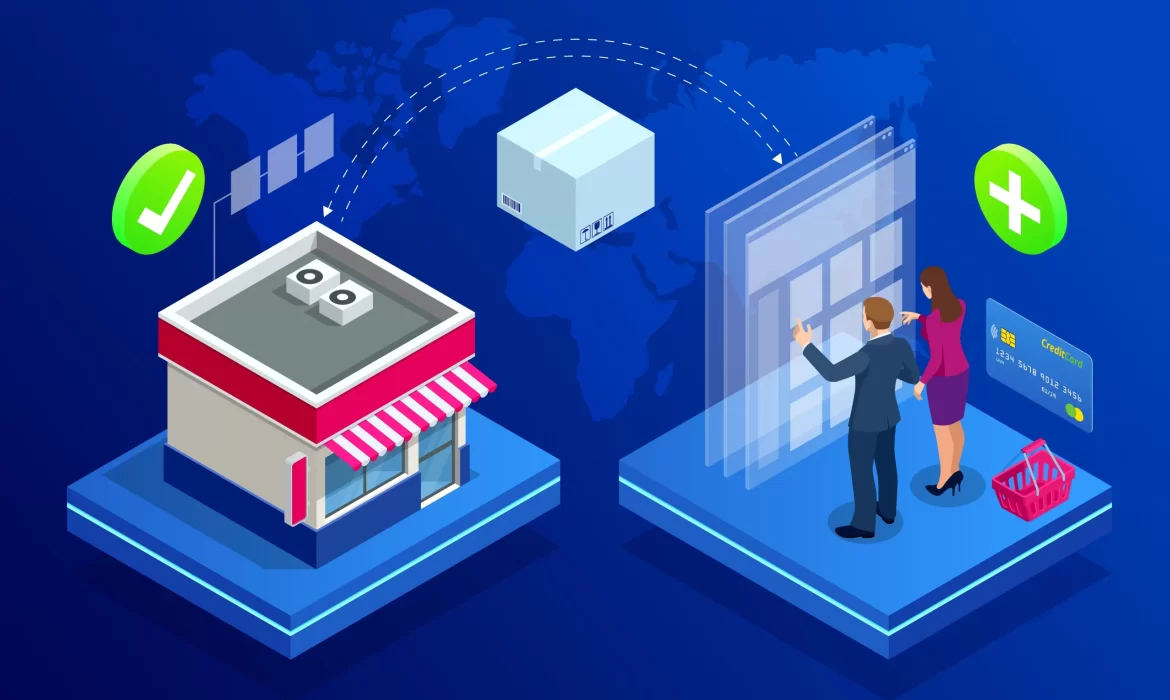
If you’ve been seeking a way to make money from Amazon, then you’ve likely discovered the two most popular options: Amazon Associates and Amazon Storefronts. While both can be potent monetization tools, they have completely different goals. Knowing the difference between these two is important for selecting what works best for your business or personal brand.
In this guide, we will walk you through Amazon Associates vs Amazon Storefront, how each functions, and guide you to choose which one aligns better with your goals.
One of the largest affiliate marketing programs in the world is the Amazon Associates program. It was designed to help individuals, bloggers, influencers, and website owners earn commissions on the sale of Amazon products they promote.
Here’s how it works:
The model is easy and flexible, and you do not own or manage any product. Great for content creators who want to monetise traffic.
An Amazon Storefront is a customizable page that an Amazon seller or influencer can create to highlight products and related content. There are two main types:
Even though your affiliate links are not limited to a platform, the storefront is like a mini-website on Amazon with one-click shopping.
An Amazon affiliate storefront is generally used by influencers when they mix affiliate marketing with a shopping hub.
Differences can be summed up as structure, purpose and user experience when comparing amazon associates vs amazon storefront.
1. Monetization Style
While Amazon Associates is mainly link-based, storefronts are more about building a brand and curated collections of products.
2. User Experience
Having a storefront presents a smoother, more interactive experience (particularly for influencers).
3. Customization
Storefronts give you much more creative control over your branding if that matters to you.
4. Target Audience
This distinction is quite significant when determining whether Amazon associates the same as Amazon storefront because they each provide value to different user types.
5. Traffic Strategy
Storefronts are especially potent for app partners who are creators on Instagram, YouTube, and TikTok.
They are NOT the same.
Though both allow you to make commissions, they work in different ways.
Many influencers use both at the same time. Their storefront is the front of the operation, while Amazon Associates is what fuels the affiliate earnings magic behind the stage.
While they are connected, they are not the same.
It is the quickest way to earn money online. Here’s why:
The Amazon Storefront provides a more sophisticated, brand-oriented direction.
Choose Amazon Associates if:
For most new entrants, this is the ideal first step.
If you are answering yes to the points below, then go for an Amazon Storefront:
Primarily, an Amazon affiliate store is very effective for influencers to easily recommend stuff.
Read More: Step By Step Guide To Create An Attractive Amazon Storefront
Yes, and this is where it gets strong. Many successful creators mix around those models:
This combined approach aims to do the best at enhancing both visibility and conversions.
When researching amazon associates vs amazon storefront, it is not about picking one or the other—it is how to best leverage both.
Treating Them as the Same
Some beginners think both tools are the same; these are different tools.
Not Optimizing Storefront Layout
A messy storefront leads to fewer conversions.
Ignoring Audience Intent
Your strategy should depend on the source where the user comes from—either SEO or social media.
Overloading with Products
For curation, quality always trumps quantity.
Looking for experts to grow your Amazon audience and revenue? Sipransh Ecommgrowth is an agency for sellers, brands, and creators that specializes in building high-converting Amazon strategies ranging from storefront optimization to affiliate growth.
So take your Amazon journey to the next level with Sipransh Ecommgrowth and start making consistent revenue from clicks.
Amazon has officially confirmed that Prime Day 2026 will take place in June, giving sellers an earlier opportunity to capture massive mid-year sales momentum. After a record-breaking sales Prime Day 2025, expectations for this year’s event are even higher, making early preparation more important than ever for brands, private label sellers, and wholesalers.
Last year’s Prime Day became Amazon’s biggest Prime Day event ever, with customers saving billions across more than 35 product categories. Sellers also achieved record sales volumes and higher order growth, proving once again that Prime Day remains one of the most profitable events on the Amazon calendar.
With the event moving earlier into the year, sellers now have less time to prepare inventory, optimize listings, launch promotions, and secure advertising placements. Businesses that plan ahead will have a major advantage when traffic spikes across the marketplace.
Prime Day is no longer just a discount event. It has evolved into a global shopping phenomenon that drives the following:
For many Amazon sellers, Prime Day generates sales volumes comparable to holiday shopping periods. A successful Prime Day campaign can also improve long-term ranking performance well beyond the event itself.
Because Prime Day 2026 is scheduled for June, sellers should start preparing immediately to avoid inventory delays, deal submission issues, and rising advertising costs closer to the event.
Amazon has already shared key deadlines sellers must follow to ensure products are Prime-ready before the event begins.
Sellers can now schedule:
Deal submissions remain open through May 26, 2026.
Amazon is also offering a promotional incentive for early submissions. Sellers who submitted Best Deals or Lightning Deals by April 30 received a $50 discount on the upfront deal fee.
Early deal scheduling is highly recommended because premium placements often become limited as Prime Day approaches.
To schedule a deal, go to Create a deal. For full eligibility details, go to Deals for events and Price Discounts and Events.
Inventory planning will be one of the biggest success factors for Prime Day 2026. Amazon has announced the following inbound shipment deadlines:
Deadline: May 27, 2026
Deadline: May 27, 2026
Deadline: June 5, 2026
Although Amazon will continue accepting inventory after these dates, late shipments may not be processed in time to receive Prime eligibility during the event.
This makes forecasting demand accurately more critical than ever.
Before Prime Day traffic arrives, sellers should fully optimize:
Improved listings help increase conversion rates during high-traffic shopping events.
Competition during Prime Day becomes extremely aggressive. Brands should prepare:
Testing campaigns before June can help identify winning keywords and improve return on ad spend during the event.
Running out of stock during Prime Day can severely hurt rankings and sales momentum. Sellers should:
A large percentage of Prime Day purchases happen on mobile devices. Sellers should ensure:
Customers expect strong deals during Prime Day. Sellers should analyze competitor pricing and prepare attractive offers that still maintain profitability.
With Amazon officially moving Prime Day to June, sellers now have a clear timeline to prepare for one of the highest-traffic shopping events of 2026.
Brands that optimize listings early, submit deals on time, secure inventory, and build advertising strategies ahead of competitors will be in the best position to maximize visibility and revenue during the event.
Prime Day is no longer just about discounts — it’s about dominating search rankings, increasing brand exposure, and building long-term growth on Amazon.
For complete details about Prime Day, including key dates, eligibility criteria, inbound deadlines, and other best practices, visit the 2026 Prime Day Readiness Playbook.
To read the full announcement, go to Amazon’s Prime Day event is back this June.
At SIPRANSH ECOMMGROWTH, we help Amazon sellers turn major marketplace opportunities into measurable growth. From advanced keyword research and listing optimization to PPC strategy and complete account management, our team helps brands prepare for high-traffic events like Prime Day with confidence.
If you’re ready to scale smarter and maximize your Prime Day performance, now is the time to start preparing.
Amazon has officially announced the important preparation deadlines for Prime Day 2026, and sellers should begin planning inventory, promotions, and deal submissions immediately to maximize visibility and sales during one of the biggest shopping events of the year.
Prime Day consistently drives massive traffic and conversion spikes across Amazon marketplaces, making early preparation critical for brands that want to secure strong rankings, better inventory placement, and higher sales velocity.
Amazon has confirmed the following promotional scheduling deadlines for sellers participating in Prime Day 2026:
This is the final day to schedule:
Sellers who submit these deals before the deadline will also receive a $50 discount on the upfront fee per deal.
This early scheduling opportunity can help brands lock in premium promotional placements while reducing campaign costs.
This is the final deadline for:
After this date, sellers will no longer be able to create these promotional deal types for Prime Day.
Amazon will continue accepting:
This gives sellers additional flexibility to adjust pricing strategies closer to the event based on inventory levels and market competition.
Inventory readiness will play a major role in Prime Day success. Products that arrive late may lose the Prime badge eligibility during the event, significantly impacting visibility and conversion rates.
Amazon has announced the following inbound shipment deadlines:
Deadline for:
Deadline for:
Sellers should avoid waiting until the last minute, as warehouse congestion and transportation delays are common during Prime Day preparation periods.
Prime Day is no longer just a discount event — it’s a major ranking and customer acquisition opportunity.
Brands that prepare early typically benefit from:
Sellers who delay inventory planning or promotional scheduling often face:
To fully capitalize on Prime Day traffic, sellers should begin working on:
Analyze historical sales data, seasonal trends, and advertising projections to estimate Prime Day demand accurately.
Plan:
well before the submission deadlines.
Ensure listings are fully optimized with:
Prepare advertising campaigns in advance to avoid inflated CPC issues during the event.
Coordinate with suppliers and freight partners early to minimize delays and ensure inventory reaches Amazon fulfillment centers before cutoff dates.
To learn more, go to our Prime Day readiness playbook for tips on inventory management, shipping, and creating successful promotions.
As Prime Day 2026 approaches, preparation can make the difference between missed opportunities and record-breaking sales. At SIPRANSH ECOMMGROWTH, we help Amazon sellers stay ahead of critical deadlines with strategic inventory planning, deal setup, listing optimization, and high-converting PPC campaigns. From shipment management to Prime Day promotional strategy, our team ensures your brand is fully prepared to maximize visibility, traffic, and sales during Amazon’s biggest shopping event.